A Real-World Look at the Unicorn Family Embroidery Design
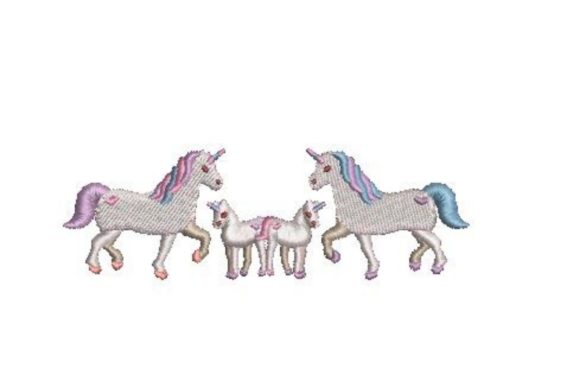
When you download a new design like Unicorn Family, the first question isn’t about file formats—it’s about its spirit. How does it feel? This design lands somewhere between whimsical and charming. It’s not overly intricate or aggressively fantastical; it has a gentle, cohesive layout that feels like a storybook illustration. That visual personality immediately suggests it belongs on items meant to delight, to soften a space, or to add a touch of magic to everyday objects.
The Practical Mood: Where This Design Finds Its Home
In my hands, I’m picturing a custom tote bag for a young reader, or a pillow cover in a nursery. The family theme makes it inherently giftable. For a small shop owner, it’s a strong candidate for a limited-run sweatshirt or a baby blanket—products that sell on emotion and a sense of specialness. The mood isn’t loud; it’s friendly and approachable, which is perfect for boutique branding or personalized gifts where you want the embroidery to feel like a thoughtful accent, not just a graphic.
Stitching Into Reality: Performance on Actual Projects
The promise of being easy to embroider is key. In practice, for an apparel decorator, this means evaluating stitch density and detail level. Designs that stitch out cleanly on various fabrics save time and material. I’d test this first on a scrap of the intended fabric—perhaps a cotton tote or a fleece baby jacket. The real test is on textured fabrics like towels or stretchy fabrics like t-shirts. A design that ‘stitches perfectly to any kind of fabric,’ as described, needs to prove that on curved surfaces like caps, where distortion can happen, and on dark fabrics where thread color contrast is critical.
For commercial embroidery or craft fair products, clarity after stitching affects customer trust. A clean satin stitch outline, well-defined fill stitches in the unicorn bodies, and minimal thread breaks create a professional finish that elevates a handmade product. This design’s appeal hinges on that stitching clarity; if the small details like horns or family grouping remain distinct, it increases the perceived value of the finished product.
Careful Considerations for Maximum Impact
Even with an easy design, placement matters. On thin fabrics like standard t-shirts, a dense design area might require a heavier stabilizer. For items needing frequent washing, like kitchen towels or aprons, reviewing the stitch integrity after a test wash is a smart step. The design’s scale is also crucial. While it likely works in a standard hoop size, using it on a very small hoop for a tiny patch might compress those family details too much. Always check the actual recommended hoop size from the provider.
For Etsy sellers creating digital product previews or printable mockups, how the design looks in black and white mockups tells you about its form without color. This helps customers imagine it on their chosen item. Also, working on layered garments, like a sweatshirt with a hood, means considering where the embroidery sits to avoid awkward overlaps with seams or zippers.
A Designer’s Workflow Notes Before Hooping
My process before committing to a client project always includes a real fabric test. For Unicorn Family, I’d stitch it on both light and dark background scraps to finalize thread color choices. I’d inspect the small details—are the unicorn features clear? Does the running stitch or fill stitch layout create a pleasing texture? I’d confirm the included embroidery file formats work with my machine and, importantly, for any commercial embroidery projects, I’d verify the licensing terms before selling finished items. Never assume.
Using multiple embroidery file formats is a genuine advantage for a maker serving diverse clients or using different machines. It speaks to the design being a flexible digital embroidery file asset. For a digital product seller, this adds value for your customers. For my own craft business, it means I can adapt the design across different projects without file conversion headaches.
From Digital File to Finished Product: The Final Impression
When this machine embroidery design is stitched out well, its ultimate strength is in its recognizability and charm. On a holiday gift like a monogrammed pillow cover, or as part of small shop merchandise like embroidered patches, it creates a cohesive, handmade presentation. That consistency builds brand recognition for a creative entrepreneur. The Fairy Tales category fits, but its use extends beyond just nursery decor—it’s for any product where you want to evoke warmth and a little wonder.
In the end, a design like Unicorn Family succeeds not because it’s complex, but because it’s reliably pleasant. It should stitch out without surprise, look professional on the product, and resonate with the person receiving it. That’s the practical goal: a design that works for you, so you can create something that works for your customer. Always test, always verify, and let the final stitches tell the story.