Winter Branch: A Frosty Embroidery Design with Real Potential
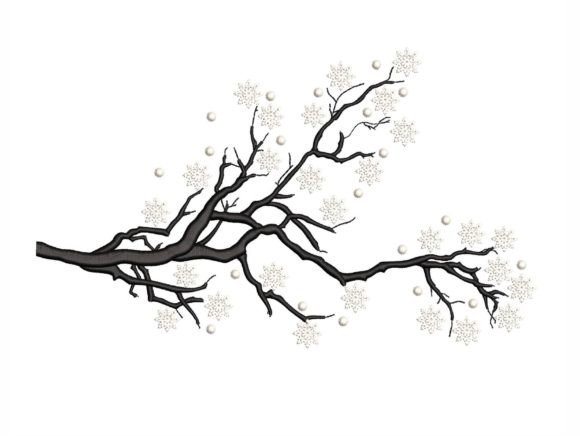
When I first pulled up the Winter Branch machine embroidery design on my screen, I immediately felt that quiet, crisp stillness of a snow-covered morning. The description from Creative Fabrica promises a “whimsical frosty look,” and that’s exactly what I saw—a delicate, bare tree rendered with a sense of movement and airiness that feels both seasonal and surprisingly versatile. As an embroidery designer who regularly creates for Etsy listings, craft fair inventory, and custom apparel orders, I’m always looking for designs that can transition from a cozy sweatshirt to a set of kitchen towels without losing their charm. Winter Branch immediately struck me as a strong contender for that kind of multi-product line.
Before I even load a design onto my machine, I ask myself a few questions: Does it feel finished and intentional? Will it stitch out cleanly on different fabrics? Does it have the kind of detail that makes a customer pick it up and say, “I need this”? This design checks those boxes, but like any embroidery file, it deserves a closer look before you commit it to a paid project. Let me walk you through what I’ve observed—and what I’d test—if I were putting Winter Branch to work in my own studio.
First Impressions: Mood, Detail, and Stitching Personality
The visual mood of Winter Branch is its strongest asset. The bare branches reach outward with a natural, slightly asymmetrical flow that avoids feeling rigid or overly symmetrical. That organic shape makes the design look much more like a custom illustration than a mass-produced digital file. The “whimsical” quality the description mentions likely comes from small, frost-like accents—perhaps tiny dot-like stitches or subtle detached elements that suggest snowflakes or ice crystals. These details are what make a machine embroidery design feel premium, because they add texture without requiring you to change thread colors mid-stitch.
From a stitching perspective, I’d expect the main branch structure to use a combination of satin stitch and fill stitch. The trunk and thicker limbs probably rely on a smooth satin stitch for that clean, slightly glossy look that catches the light beautifully on garments. The finer twigs might be rendered with a running stitch or a very narrow satin stitch, which gives an airy, almost hand-drawn feel. The frosty accents could be simple scattered fill stitches or tiny seed stitches. This mix of stitch types is smart—it keeps the overall stitch density manageable while still delivering a design that looks intricate and high-end. I always appreciate when a Creative Fabrica embroidery design balances density well, because overly dense sections can pucker lightweight fabrics or make the finished piece feel stiff.
One thing I’d note right away: the design’s personality is quiet and elegant. It’s not a bold, chunky winter motif; it’s more like a delicate sketch. That means it’s going to shine on projects where you want a subtle, refined seasonal touch—think a linen pillow cover, a soft gray baby blanket, or a minimalist apron. It won’t scream “winter” from across the room, but it will draw people in for a closer look. That kind of understated appeal is exactly what builds trust with buyers who want handmade items that feel curated, not craft-store generic.
Where Winter Branch Would Shine in Real Projects
I immediately started mentally pairing this design with products I’ve made for my own shop. Here’s where I think Winter Branch would naturally fit—and why it could add significant value to your finished product line.
Custom Apparel and Boutique Merchandise
On a sweatshirt or a long-sleeve tee, this design would sit beautifully on the upper left chest or centered on the back. The airy branches won’t feel heavy on the body, and the frosty details would contrast nicely against a heathered fabric. I’d especially love it on a dusty blue, oatmeal, or soft white sweatshirt—the kind of color palette that screams cozy winter boutique. For a custom apparel order, a design like this can elevate a simple garment into something that feels personally commissioned. If you’re selling on Etsy or at craft fairs, a sweatshirt featuring Winter Branch with a subtle “let it snow” or a recipient’s name in a tiny, elegant font could become a bestseller during the holiday season.
Tote Bags and Everyday Accessories
A sturdy canvas tote bag with this embroidery would be a showstopper. I’ve found that tote bag designs with delicate, nature-inspired motifs sell well because they appeal to a wide range of customers—from eco-conscious shoppers to teachers looking for a unique gift. Winter Branch would stitch out beautifully on the front pocket or as a large center panel. The key here is stabilizer choice; a medium-weight cutaway stabilizer will keep the stitches from shifting on the textured canvas, and the design’s open structure means it won’t feel like a stiff patch on the bag.
Kitchen Towels, Aprons, and Home Linens
One of my favorite uses for a design like this is on a set of flour sack kitchen towels. The frosty, delicate look of Winter Branch is perfect for a rustic winter kitchen theme. Pair it with a simple running stitch border or a small snowflake, and you’ve got a giftable set that looks high-end. For an apron, I’d place the design on the bib or along the hem. The only caution with kitchen textiles is frequent washing—you’ll want to test the design’s longevity on a scrap piece using the same fabric and thread, and make sure no tiny satin stitches are prone to snagging in the wash. But a well-digitized embroidery file should hold up just fine.
Baby Items, Nursery Decor, and Keepsakes
Parents love soft, nature-inspired themes for nurseries, and Winter Branch has a gentle, almost storybook quality. I can see it on a muslin swaddle blanket, a tiny baby hat, or a nursery pillow cover. The lack of overly dense areas means it won’t irritate delicate skin, and the design’s open negative space keeps the fabric breathable. For a personalized gift, you could add a baby’s name or birth date beneath the branch in a small, elegant font—just be sure to test tiny lettering on a scrap to ensure legibility and avoid thread breaks.
Caps, Patches, and Small-Scale Applications
This is where I’d be most cautious. The description doesn’t specify the hoop size required, so you’ll need to check the product page dimensions before assuming it will fit on a structured cap. If the design is too wide or tall, it may not fit comfortably on the front panel of a baseball cap without distorting on the curved surface. However, if it does fit a smaller hoop, Winter Branch could make a beautiful embroidered patch. Patches are a fantastic way to use up fabric scraps and create a high-margin product. Stitch the design on felt or twill, add a heat-seal backing, and list it as a standalone patch for crafters and jacket customizers. The frosty aesthetic would be a hit with the winter outdoor crowd.
Practical Considerations Before You Stitch
No matter how lovely a design looks on screen, the real test comes when the needle hits the fabric. Here’s what I’d do to ensure Winter Branch performs well across all the projects I just mentioned.
- Always test on scrap fabric first. The same design can look drastically different on a woven cotton versus a plush sweatshirt fleece. I’d run a stitch-out on the exact fabric and stabilizer combination I plan to use for the final product.
- Check thread color contrast. The frosty details might disappear if you use a light thread on a light fabric, or they could feel stark and harsh on a dark background. I’d stitch a small sample on both light and dark fabric to see which one makes the design pop while maintaining that soft, whimsical feel.
- Review stitch density for your fabric type. If the design has any tightly packed fill areas, they could pucker on lightweight or stretchy fabrics. I’d inspect the file in my embroidery software to see if any density adjustments are needed, but since this is a Creative Fabrica embroidery file, I’d trust the digitizer’s work—just verify with a test.
- Use the right stabilizer. For stretchy fabrics like sweatshirt fleece, a cutaway stabilizer is non-negotiable. For woven items like towels, a tear-away might be enough, but I often use a wash-away topping to keep stitches from sinking into textured fabrics.
- Confirm hoop size and file details. The product description doesn’t list the exact dimensions, so I’d open the file in my software to check the width and height, then match it to the smallest hoop that can comfortably handle it. This is crucial for small-run production, where you don’t want to re-hoop unnecessarily.
- Inspect tiny details after stitching. Those frosty accents might be small seed stitches or tiny satin dots. I’d look closely at the test stitch-out to make sure none of them are so small that they create thread breaks or look messy. If they’re clean, the design will look polished and professional.
- Check licensing and commercial use terms. Before selling any finished item with Winter Branch, I’d read the license on the Creative Fabrica product page. Most designs there allow commercial use on physical products, but it’s always wise to confirm, especially if you plan to sell digital mockups or include the design in a printable product listing.
How This Design Can Impact Your Product Value and Brand
As a small business owner, I’m not just buying a pretty picture—I’m investing in an asset that needs to work hard for my brand. Winter Branch has the potential to increase product value in a few key ways. First, it creates a strong visual appeal that photographs beautifully. A tote bag or pillow cover with this design will look stunning in flat-lay photos with a cup of cocoa and a sprig of pine, making your product photography more engaging and shareable. That kind of imagery drives clicks and builds customer engagement on platforms like Etsy and Instagram.
Second, the design’s gentle, premium feel helps establish brand consistency. If your shop leans toward nature-inspired, minimalist, or Scandinavian-style handmade goods, Winter Branch fits seamlessly. It tells your customers that you curate designs with care, not just grab whatever is trending. This builds buyer trust and encourages repeat purchases—people will come back to see what other thoughtful pieces you’ve added.
Third, the giftability factor is huge. Winter-themed items always see a spike in sales during the holiday season, and a design that looks both festive and timeless will appeal to shoppers looking for handmade gifts that don’t feel overly seasonal. A customer buying a baby blanket with this embroidery in December can still use it in March without it feeling out of place. That extended usability is a selling point you can highlight in your product descriptions.
Final Thoughts from the Studio
After thoroughly evaluating Winter Branch from a real-world production standpoint, I’d say it’s a solid addition to any embroidery designer’s winter collection. The design’s delicate, frosty aesthetic is on-trend without being fleeting, and its open, airy structure makes it adaptable to a wide range of finished products—from boutique apparel to home decor and baby items. The key to success, as always, lies in your preparation: test on your intended fabric, choose the right stabilizer, and verify all file details on the Creative Fabrica product page before you start stitching. Do that, and this delightful winter tree will reward you with a clean, elegant stitch-out that feels like a tiny work of art.
If you’re looking to add a touch of quiet winter magic to your next handmade product line, Winter Branch is worth a serious look. Just remember that the best tools are only as good as the maker’s process—so take the time to test, adjust, and create something that truly wows your customers.