Evaluating Valentine s Day Bike as a Real-World Embroidery Project
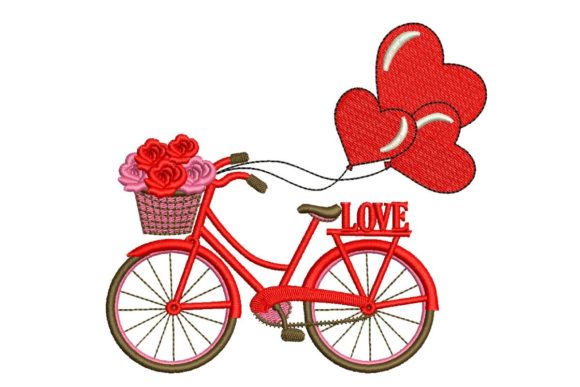
When you’re looking at a digital embroidery file for a real project—whether it’s for a client, your small shop, or a personal gift—the first impression is everything. It tells you if this design is going to work, or if it’s just going to be another file sitting in your library. Opening Valentine s Day Bike, my immediate thought was that it’s playful and sweet, without being overly childish. The theme is clear: a charming, celebratory bicycle that feels nostalgic and lighthearted. The layout is balanced, with the bike itself as the central, detailed element. The level of detail seems intentional, not overly dense, suggesting it’s meant to be approachable to stitch.
The Mood It Creates & Where It Naturally Belongs
This isn’t a loud, garish Valentine’s design. It has an elegant, whimsical personality that I think would resonate well with customers looking for something a bit more unique than a simple heart. The visual personality leans towards boutique and giftable. I instinctively pictured it on a linen tea towel for a kitchen gift, or centered on a cotton tote bag for a craft fair product. It also feels perfect for personalized baby items, like a soft blanket or a nursery pillow cover, where the theme is gentle and joyful. For an apparel decorator, a simple, high-quality cotton t-shirt or a classic sweatshirt would be a fantastic canvas.
Let me walk through a real-life scenario. Imagine you’re an Etsy seller preparing a limited run of custom embroidered apron sets for Valentine’s Day. You want something that feels handmade and special, not mass-produced. Valentine s Day Bike comes into consideration. Stitched onto a crisp, white chef’s apron pocket, this design would create a focal point that’s both functional and decorative. The customer reaction I’d anticipate is one of delight—it’s a recognizable holiday motif, but executed with a craftsperson’s touch. It elevates a simple apron into a thoughtful gift, boosting the product value and the perceived care behind your brand.
Performance Across Different Embroidery Situations
In practical use, a design’s performance is about clarity and adaptability. For machine embroidery design files like this one, I consider how it will translate from screen to stitches.
On custom apparel like t-shirts and sweatshirts, the key will be stabilizer choice. On stretchy fabric, a good cutaway stabilizer will be crucial to maintain the design’s shape without puckering. The design doesn’t appear to have enormous, solid fill stitch areas, which is a plus for lighter garments. On a tote bag, with its typically sturdy fabric, it should stitch out cleanly and become a durable, attractive feature.
As an embroidered patch, this could be a lovely standalone product. The detail level seems right for a patch that’s readable from a short distance. For holiday gifts like pillow covers or blankets, the scale is important. You’d want to hoop it at a size that makes it a statement piece without overwhelming the item. For baby embroidery on delicate items, you’d need to be mindful of stitch density even if it looks moderate, opting for softer threads and perhaps a lighter stabilizer to keep the fabric pliable.
For commercial embroidery projects or small shop merchandise, consistency is key. If you’re producing twenty tote bags for a boutique, this design should stitch out reliably each time, provided your machine settings and materials are consistent. That reliability builds customer trust—they receive a product that looks professionally made every time.
Where to Exercise Caution
Even a high-quality design has its ideal applications, and knowing the limits protects your final product. With Valentine s Day Bike, I’d be cautious on a few fronts.
Firstly, very small hoop sizes. If the design has any tiny lettering or intricate decorative accents on the bicycle frame, cramming it into a tiny hoop might lose those details. Always check the recommended hoop size from the designer if provided.
Textured fabrics, like a coarse linen or a heavily napped fleece, can obscure cleaner satin stitch edges. Dark fabric backgrounds require careful thread color contrast planning—some of the lighter, playful colors implied by the theme might need to be swapped for deeper shades to maintain visual appeal.
Curved surfaces like caps can be tricky. The design’s central shape might need to be adapted or positioned carefully to fit the curve without distortion. Also, for products destined for frequent washing, like kitchen towels or baby clothes, you’d want to ensure your thread choices and stabilizer methods are robust enough to maintain that “elegant and gorgeous” look after many cycles.
The Impact on Your Business & Craft
Using a design like this isn’t just about stitching; it’s about the entire presentation. For a creative entrepreneur, the visual appeal of the finished product directly affects buyer engagement. A clean, well-executed Valentine s Day Bike embroidery on a product photo for your Etsy listing tells a customer you pay attention to quality. It supports your handmade presentation and brand consistency.
Its giftability is high. It’s a specific holiday design, which gives it recognition and a natural sales season. For digital product sellers offering the file itself, providing clear, accurate printable mockups of this design on various products (tote bags, sweatshirts) helps buyers visualize its potential, making it a stronger design asset.
Practical Notes From the Hoop
Before you commit this to a final project, here are the steps I always take, and I recommend you do the same with any new embroidery file.
- Test on scrap fabric first. Use the same fabric and stabilizer combo you plan for the final project. This reveals everything: stitch density issues, thread tension needs, and how small details like the bicycle spokes actually look.
- Check thread color contrast. Run a test on both a light and a dark background scrap. See if the palette works or needs adjustment for your specific fabric.
- Review the stitch density in the test. Does it feel too thick for a delicate baby blanket? Is it sturdy enough for a bag that will see heavy use?
- Confirm the hoop size that works best for your intended product. Don’t assume.
- Inspect the small details. Look closely at the stitched test for any potential trouble spots—very tight corners or potentially jumpy running stitch paths.
- Use proper stabilizer. Match it to your fabric type and the design’s needs. This is the foundation of a clean finish.
- Check the licensing. Before selling finished items or using it in commercial embroidery, always confirm the license terms provided with the design. This protects your business and respects the digital designer’s work.
Ultimately, Valentine s Day Bike strikes me as a versatile, mood-setting embroidery design. Its charm lies in its simplicity and thematic clarity. For crafters and makers looking for a Valentine’s Day project that feels genuine and well-crafted, this file offers a solid foundation. It’s a design that, with careful preparation and the right material pairing, should indeed stitch out elegantly, adding a touch of handmade gorgeousness to whatever fabric you choose.