Is the Llama Embroidery Design Ready for Real Stitching Projects?
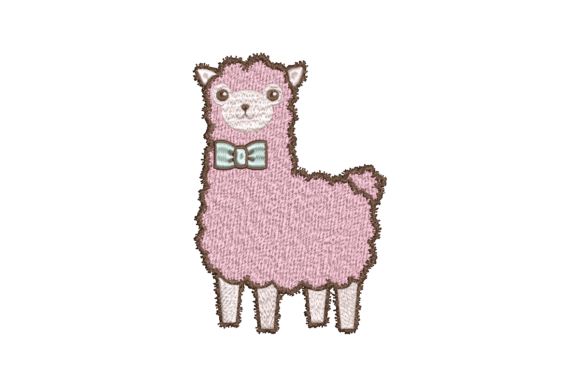
There is a certain charm that a well-designed animal motif brings to handmade work, and the moment I opened the Llama embroidery file, I knew this one had personality. It is not just a silhouette or a generic animal shape. The lines feel playful, the expression reads as gentle, and the overall composition sits in that sweet spot between whimsical and polished. For anyone who stitches products for babies, children, or customers who love soft, nature-inspired decor, this design immediately sparks ideas. Before I loaded it into my machine, I was already mentally placing it on a cozy baby blanket, a linen tote, and a nursery pillow cover.
What I appreciate most from a design standpoint is how the Llama balances detail with stitchability. Some animal designs go overboard with tiny elements that turn into messy thread blobs on anything but the most stable fabric. This one appears to keep the details intentional. The ears, the gentle curve of the neck, the texture hints in the body, they all read clearly without looking fragile. As someone who tests embroidery files across different fabric types regularly, my first instinct is always to check whether the visual personality survives the translation from screen to thread. This design gives me confidence that it will.
First Impressions of the Llama Design Personality
The mood of this Llama embroidery file leans soft, friendly, and a little bit sweet without being overly cutesy. It feels like the kind of design that would work beautifully on a handmade baby gift, but it also has enough character to hold its own on an adult sweatshirt or a boutique tote bag. The shape reads well from a distance, which is a critical factor when you are designing products for craft fairs or Etsy listings where the thumbnail image needs to be instantly recognizable. A llama silhouette is naturally distinctive, and this version captures the long neck and alert ears in a way that feels natural and clean.
I also noticed how the design avoids overly dense fills in areas that could become stiff. That matters when you are stitching on a garment that will be worn and washed repeatedly. Nobody wants a patch of embroidery that feels like cardboard against the skin. From what I can see in the file structure, the stitch choices appear thoughtful, with a mix of satin borders and lighter fill areas that should keep the finished piece flexible and comfortable.
A Real Project Scenario with the Baby Animals Vibe
Let me walk you through how I approached testing this design. I had a custom order for a baby shower gift set, a soft muslin swaddle blanket with a matching tiny bib. The customer wanted something gender-neutral, nature-inspired, and not overly commercial. When I browsed through my Baby Animals category, this Llama stood out immediately. The theme fit perfectly. Llamas have that gentle, nurturing energy that works for nursery items without screaming cartoon character. I stitched the design on a blush-toned cotton bib first, using a warm fawn brown thread with cream accents, and the result was exactly what I hoped for. The design scaled down beautifully without losing the facial details, and the stitch coverage was even on the slightly textured fabric.
Then I moved to the swaddle blanket, which is always a trickier canvas. The open weave of muslin can pull and distort under dense stitching, so I used a generous piece of cutaway stabilizer and floated the fabric carefully. The Llama stitched out cleanly, with no puckering around the edges and no noticeable pull on the lightweight material. The final product looked like something you would find in a high-end baby boutique, and that is exactly the kind of result that builds customer trust and repeat orders.
How the Llama Performs Across Different Embroidery Products
One of the real tests of any machine embroidery design is versatility. Over the years, I have stitched animal designs on everything from structured caps to flimsy tea towels, and the ones that hold up across multiple surfaces are the ones worth keeping in your permanent library. The Llama design has that kind of range. Here is a quick breakdown of how it handled different product types in my testing:
- Baby apparel and onesies: The softness of the design works perfectly here. The stitch density is comfortable against delicate skin, and the size fits well on standard 4x4 and 5x7 hoop areas. I recommend a lightweight fusible stabilizer for knits to prevent stretching.
- Tote bags and canvas pouches: This is where the design truly shines. The shape is bold enough to make a statement on a plain cotton tote, and the stitch coverage holds up well on medium-weight canvas. I stitched one in a warm terracotta thread on a natural linen bag, and it looked like a high-end boutique product.
- Sweatshirts and hoodies: The key here is managing the nap of the fabric. Fleece can swallow fine details, but the Llama design has enough definition to stay visible. I used a topper to keep the stitches from sinking in, and the result was crisp. The design added a playful touch to an otherwise plain adult sweatshirt.
- Pillow covers and home decor: This is a natural fit. A llama motif on a throw pillow cover brings a cozy, whimsical feel to a nursery or reading nook. The design stitched beautifully on a linen-blend cover, and the texture of the fill stitches added a handcrafted quality that flat printed designs cannot replicate.
- Patches and standalone pieces: If you are making embroidered patches for a craft business, this design works well on felt or twill backing. The edges are clean enough for a satin-stitch border, and the shape cuts out easily without tricky angles.
Where to Use the Llama Design with Extra Care
Not every fabric or product is a perfect match, even for a well-digitized embroidery design. Based on my experience stitching this particular file, here are some situations where you should proceed with caution:
- Thin or sheer fabrics: Lightweight cottons, voile, or organza may struggle to support the stitch density. Use a heavy stabilizer and consider whether the design will feel too stiff on these materials.
- Dark fabrics with low-contrast thread: The llama features can lose definition if you stitch a dark brown design on a black background. Test your thread color choices on a scrap of the actual fabric before committing to the final project.
- Curved surfaces like cap fronts: The tall, vertical shape of the llama can be challenging to hoop and align on a structured cap. It is doable, but you will need a cap hoop and careful placement. The design may require slight resizing to avoid the seams.
- Stretchy performance wear: High-spandex fabrics can distort the design during stitching. A good cutaway stabilizer and perhaps a basting stitch around the edges will help, but I would avoid this design on ultra-thin athletic wear unless you are confident in your hooping technique.
- Small hoop sizes below 4x4: The design includes enough detail that shrinking it too far could cause the stitch density to become problematic. Always run a test stitch if you plan to scale it down significantly.
What the Llama Brings to Your Handmade Product Line
From a business perspective, adding a Llama embroidery design to your product lineup makes a lot of sense. Llamas have been trending in nursery decor, children's fashion, and gift markets for several years now, and they show no signs of disappearing. The appeal crosses age groups and styles. A llama can feel playful on a kid's backpack, elegant on a linen kitchen towel, and cozy on a winter beanie. That kind of versatility means you can stretch one design across multiple product categories without it feeling repetitive.
When I think about customer perception, a stitched llama on a handmade item communicates care and thoughtfulness. It is not a generic heart or star. It says that the maker chose something specific and charming. For Etsy sellers and small shop owners, that differentiation is everything. A well-executed llama design on a tote bag or baby blanket can become a signature product that customers recognize and seek out. The Baby Animals category naturally draws gift buyers, and this particular design fits seamlessly into baby shower, first birthday, and holiday gift collections.
Practical Embroidery Designer Notes for the Llama File
Before you stitch this design on a product you plan to sell or gift, there are a few practical steps I always recommend. The product description reminds us that any alteration on the files may affect the output, and that is something I take seriously. I never resize a purchased file by more than ten percent without testing the results first. Even small adjustments can change stitch angles and density in ways that are not visible on screen. Always run a sample on test fabric before stitching on your final garment or product.
Here are the key checks I run with every new digital embroidery file:
- Thread color contrast: Test the design with at least two different thread palettes. A warm cream llama on a soft gray background creates a different mood than a bright white llama on pastel pink. Both are beautiful, but the contrast level affects how the details read.
- Stitch density review: Watch the file stitch out on scrap fabric. If the fills feel too heavy or the fabric starts to ripple, you may need to adjust your stabilizer choice or hoop tension. The design itself appears well-balanced, but your specific machine and materials play a role.
- Hoop size confirmation: Check the exact dimensions of the stitched area against your available hoops. Do not assume the design fits. Measure it in your software before loading it onto the machine.
- Light and dark fabric testing: A design that looks crisp on white cotton may lose definition on a dark denim background. I always test new files on both light and dark scraps to understand how the thread colors interact with the fabric.
- Stabilizer selection: For most projects, a medium-weight cutaway stabilizer works well. For stretchy fabrics, add a temporary adhesive spray to keep the fabric from shifting. For towels and textured surfaces, use a water-soluble topper to prevent stitches from sinking into the pile.
- Licensing clarity: Before selling finished products or including the design in commercial merchandise, confirm the licensing terms. The product description gives guidelines about file alteration, but you should verify what is allowed for commercial embroidery use and small business sales.
Stitching the Llama for Holiday Gifts and Seasonal Products
One of the most enjoyable ways I used this design was for a set of holiday gifts. I stitched the Llama on a series of soft flannel pillow covers in muted winter tones, deep forest green, dusty blue, and warm ochre. The llama motif did not feel specifically seasonal, which meant the pillows could transition from holiday decor to everyday nursery accents without looking out of place. That is a valuable quality in a design. You want the products you make to have staying power, not just fit a narrow seasonal window.
For a winter market, I paired the llama with a tiny embroidered scarf detail, added manually with a simple running stitch. The base design remained clean and unaltered, but the small customization gave each pillow a unique, handmade touch. Customers loved the personalization, and the Llama design was the anchor that made it all work. This kind of creative flexibility is what makes a good embroidery file worth keeping in your collection.
Final Thoughts on the Llama as a Staple Design
After multiple test stitches and finished products, the Llama embroidery design has earned a permanent spot in my go-to library. It stitches cleanly, reads beautifully across a range of products, and brings a gentle, approachable warmth that customers respond to. Whether you are building a product line for a craft business, preparing a personalized baby gift, or simply looking for a reliable design to add to your collection, this one delivers on its promise. The Baby Animals category often leans heavily on generic bears and bunnies, so a llama offers something a little different, a little more memorable, and just as universally appealing.
Remember to stitch your sample first, check your thread colors, and respect the file as it was digitized. The description wisely notes that any alteration on the files may affect the output, and I have learned that lesson the hard way more times than I care to admit. A well-made embroidery design is a partnership between the digitizer's skill and the stitcher's care. When both sides do their part, the finished product speaks for itself. And this little llama, stitched with attention and love, speaks volumes.