Spiderweb Circle Applique: Spooky Split-Background Design
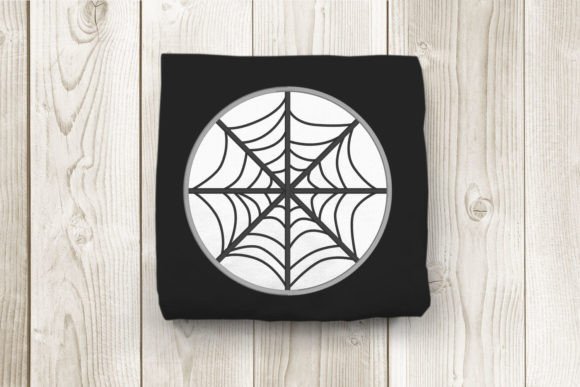
As a designer constantly scouting for fresh seasonal embroidery ideas, I immediately recognized the potential in Spiderweb Circle Applique. The moment I saw the preview, it felt like a crisp October night — the kind of design that makes you want to start planning Halloween product drops right away. This machine embroidery design isn’t just another spiderweb. It’s framed inside a clean circle, and that’s where the magic happens. The background is fully appliquéd, and the left and right sides are divided, giving you the freedom to use two completely different background fabrics. That split-background feature alone sets it apart from typical web designs and opens a world of creative possibilities for holiday embroidery and handmade gift projects.
From a product creator’s standpoint, the Spiderweb Circle Applique strikes a beautiful balance between spooky and elegant. The web itself is detailed enough to capture that eerie, nostalgic Halloween feel, but the circular frame keeps it tidy and wearable. It’s not overly cartoonish, nor is it too dark or gothic. The emotional tone is playful yet sophisticated, which makes it an excellent fit for a wide audience — from kids’ clothing to adult home décor. I can already picture it stitched out in glowing orange thread on a black sweatshirt, or with a distressed grey and purple split background on a kitchen towel. The decorative style feels modern rustic, with just enough edge to appeal to buyers who love handcrafted seasonal decor without the jump-scare vibe.
First Impressions: Seasonal Mood and Design Flexibility
The first thing that struck me was how cleanly the embroidery file is structured. The spiderweb is centered and symmetrical, while the split background invites you to play with contrast. You could use a solid black fabric on one side and a glittery orange on the other, or create a gradient effect by choosing two shades of the same color. The appliqué method means the background fabrics become an integral part of the design, not just a backdrop. This is a smart way to minimize heavy stitch coverage while maximizing visual impact. For anyone selling finished product on Etsy or at craft fairs, this design instantly communicates value — it looks like a custom, high-end piece even though it’s relatively simple to stitch out.
The Halloween category can be tricky. Designs that are too niche often sit untouched after October 31st. But Spiderweb Circle Applique has a subtle, timeless quality. A spiderweb is a classic motif that also works for gothic-inspired home décor, year-round mystical-themed items, or even as a “spooky but sweet” embellishment on baby items. I wouldn’t limit it to a single month. The circular frame also makes it perfect for ornaments — you can easily turn a finished stitch-out into a hanging decoration by adding a ribbon. That’s exactly the kind of multi-use thinking that keeps a small shop product lineup profitable well past the peak season.
Real-World Selling Scenarios: Where It Shines
When I evaluate a new digital embroidery file, I always run through the real-life scenarios my customers and fellow Etsy sellers face. Here’s how Spiderweb Circle Applique performs in the most common holiday selling situations:
- Gift bundles: Pair it with a matching mini design or a coordinating monogram and sell as a “spooky duo” for custom sweatshirts or tote bags. The split background makes personalization easy — you can use one side for a name or initial in a contrasting fabric.
- Craft fair displays: The design’s visual punch reads well from a distance. A table runner stitched with a row of these webs in alternating background colors would stop shoppers in their tracks.
- Limited edition apparel: Offer a short-run collection of hoodies or crewnecks with the spiderweb on the chest or sleeve. The circular shape fits perfectly on a pocket placement or a back yoke. Because it’s appliqué, the garment remains soft and wearable — no stiff, heavy embroidery.
- Family matching items: The design scales well (assuming you confirm hoop size compatibility) for both adult and child sizes. A family set of matching pumpkin-patch shirts with coordinated web accents is almost guaranteed to sell out.
- Home décor: Think beyond clothing. Pillow covers, kitchen towel embroidery, and table linens all benefit from the split-background feature. A set of Halloween kitchen towels with a subtle web on one corner and a contrasting fabric trim feels boutique and intentional.
- Personalized gifts: Add a recipient’s favorite color combination or use a fabric scrap from a meaningful project. The appliqué nature means you can literally incorporate a piece of cherished fabric into the design.
- Social media previews: The split-background makes for gorgeous printable mockup photos. Show two completely different colorways side by side, and you’ll instantly double the perceived variety of your product line.
In all these cases, the true secret weapon is the built-in division. Spiderweb Circle Applique doesn’t just look good — it actively encourages the kind of creative customization that makes handmade gift buyers feel like they’re getting something truly one-of-a-kind. That emotional connection is what drives repeat purchases and word-of-mouth referrals during the crowded holiday shopping season.
Where to Use Caution: Fabric, Size, and Technique Constraints
No design is perfect for every application, and honest advice is what separates a dependable embroidery file from a frustrating one. Here’s where I’d be careful with Spiderweb Circle Applique:
- Small hoop sizes: A circular appliqué with a split background needs enough real estate for the details to shine. If the finished design shrinks below 3.5 inches, the web strands may become too thin and the fabric divisions less distinct. Always check the minimum hoop size required and test on scrap before committing to a tiny patch.
- Thick towels or high-pile fabrics: On terry cloth, the appliqué edges can sink or fray. Use a heavy water-soluble topper, a sharp needle, and a firm stabilizer to keep the web crisp. The split background may also shift if the foundation fabric isn’t fully hooped with a cutaway backing.
- Dark fabric: The spiderweb details rely on contrast. If you stitch on a very dark base without a bright thread, the web can disappear. Test your thread colors on both the light and dark halves of the background to ensure the web pops from every angle.
- Metallic thread: While a shimmering silver web sounds perfect for Halloween, metallic thread can be finicky. Slow your machine down, use a metallic needle, and consider a slightly lower stitch density to avoid breaks. The web design is delicate, so too many tight stitches may cause puckering.
- Stretchy garments: On a super-stretchy tee or onesie, the appliqué circle can distort if the fabric isn’t fully stabilized. Use a fusible mesh or a no-show cutaway mesh stabilizer, and avoid pulling the fabric taut in the hoop. A finished product that warps after washing will damage your shop’s reputation.
- Curved caps: The circular frame is tricky to center perfectly on a curved bill. I’d skip this design for caps unless you have a dedicated cap hoop and plenty of practice. Stick to flat surfaces for the cleanest finish.
- Repeated washing: Appliqué edges can fray over time. Use a tight satin stitch or a blanket stitch setting, and always recommend gentle washing inside out. For items that will see heavy use, you might reinforce the edge with a second round of zigzag stitching after the main run.
These aren’t flaws — they’re just honest considerations that come with any commercial embroidery design that combines appliqué and intricate detail. By addressing them upfront, you protect your customer trust and keep your product line looking professional.
How It Influences Buyer Emotion and Seasonal Appeal
During the holiday rush, buyers are scrolling fast. They’re looking for designs that feel immediate, festive, and emotionally resonant. Spiderweb Circle Applique taps into a specific kind of nostalgia — the excitement of childhood Halloween, the beauty of a dewy web on an autumn morning, the cozy thrill of a spooky story. The split background adds a layer of surprise and delight. When a customer sees that they can choose two fabrics, they feel like they’re part of the creative process. That sense of involvement boosts giftability and willingness to pay a premium.
From a branding perspective, this design helps you build a cohesive seasonal collection. Use it across multiple product types, and you create a visual signature that customers recognize. The circular shape is inherently logo-like, which strengthens brand consistency. When you post a printable mockup on Instagram or Pinterest, the split-background versions immediately stand out against a sea of single-color webs. This kind of engagement is gold during the peak October shopping window.
Practical Embroidery Designer Notes
Before you list a single small shop product featuring this design, run through my standard checklist. These steps are what separate a reliable, sellable item from a last-minute rejection:
- Test thread colors on both light and dark fabric. The web must be visible on the darkest half of the split background. I often use a bright white or a luminous silver-grey thread, and then test a couple of shades to see which reads best. If you plan to use metallic, run a separate test on scrap.
- Check stitch density. The web’s fine lines need to be dense enough to show up but not so heavy that they distort the background fabric. A satin stitch around the circle’s outer edge should be crisp but not bulletproof. Adjust the density in your software if you’re comfortable doing so, and always stitch out a sample.
- Confirm hoop size. The listing should have a clear size recommendation. If it doesn’t, measure the design file and double-check that it fits your most commonly used hoops (often 4x4, 5x7, or 6x10). Never assume; a design that’s just a hair too large for a 4x4 hoop will frustrate buyers.
- Use proper stabilizer. For the cleanest appliqué edge, I recommend a medium-weight cutaway stabilizer on woven fabrics, and a no-show mesh on knits. A temporary spray adhesive helps keep the appliqué fabrics from shifting during the split-background placement.
- Create realistic mockups. Photograph your actual stitched sample on the intended product, not just a digital rendering. Show the split-background option clearly, and maybe include a close-up of the web detail. Real-life photos build customer trust and reduce returns.
- Review small details after stitching. Inspect the web connections. A single missed jump stitch can ruin the spiderweb illusion. Carefully trim any connecting threads, and check that the circle’s outer edge is fully sealed.
- Plan matching color palettes. Offer a few curated fabric pair suggestions to your customers — like “midnight black and blood orange” or “dusty purple and harvest gold.” This makes it easy for them to visualize and buy.
- Confirm commercial licensing. Before you sell any finished item with this design, know exactly what the digital embroidery file license allows. Some designers limit the number of physical items you can sell, or require a separate commercial license. Always verify; it’s not worth the risk.
This design is a strong candidate for a seasonal embroidery lineup that needs to be both eye-catching and genuinely useful. The split-background concept is a conversation starter, and the spiderweb motif is universally recognized yet open to interpretation. Whether you’re an Etsy seller looking for a new bestseller or a professional apparel decorator building a limited-edition holiday collection, Spiderweb Circle Applique can earn its place in your rotation. It’s spooky, customizable, and full of the kind of character that makes handmade gifts feel truly special. Just remember to test thoroughly, stay mindful of fabric and hoop limitations, and let the split-background feature shine in your product photography. That’s where the real magic — and the sales — will happen.