Smile Emoji Embroidery Design: A Joyful Gift Review
First Impressions: The Power of a Simple Smile
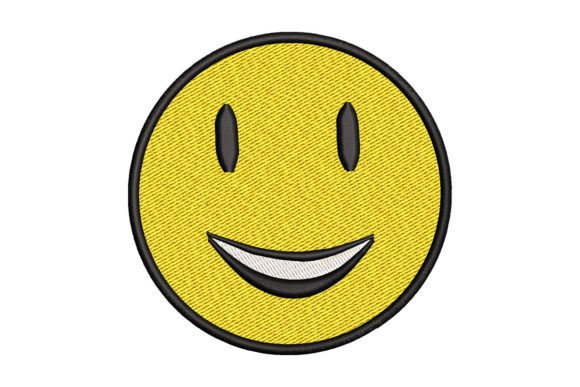
When I first saw the Smile Emoji on Creative Fabrica, I immediately felt a wave of happiness. That’s the magic of a well-placed emoji—it’s a universal language. This machine embroidery design captures that exact feeling in thread. The description says it all: “A smiling emoji will always look good on anything.” And honestly, I couldn’t agree more. As an embroidery designer who has spent years perfecting personalized gifts, I know that the simplest designs often carry the most emotional weight. The visual softness of the rounded face, the gentle curve of the grin, and the tiny sparkle in the eyes give this design a modern, playful charm without feeling cartoonish. It’s sweet enough for a baby blanket, yet cool enough to catch a teenager’s eye. The Teenagers category on Creative Fabrica is spot-on, but this design transcends age. It’s a design that feels like a warm hug in thread form—perfect for handmade gifts that need to spark instant joy.
Project Ideas: Where the Smile Emoji Truly Shines
One of the first things I consider when evaluating any digital embroidery file is versatility. The Smile Emoji passes that test with flying colors. Its cheerful simplicity means it can be added to almost any fabric item without overwhelming other design elements. Here are just a few of the ways I’ve mentally stitched this design into real-life projects—and I’m confident you’ll find your own uses too.
- Baby Embroidery: A tiny yellow smile on a soft cotton onesie or a muslin swaddle instantly becomes a keepsake. It’s gender-neutral, soothing, and adds a touch of handmade charm without being overly fussy.
- Wedding Gifts: Imagine a set of embroidered towels or a ring bearer pillow with a subtle, joyful smile. It’s a playful wink that says “happily ever after” without any words.
- Family Keepsakes: Add the Smile Emoji to a custom pillow cover or a cozy blanket. It’s a design that family members of all ages will love, making it a perfect addition to a family portrait-themed quilt or a memory blanket.
- Nursery Decor: Pair it with soft pastel threads on a crib sheet or a wall hanging. The smile brings a sense of calm and happiness to the little one’s space.
- Personalized Home Decor: Embroider it on a kitchen apron, a tote bag, or a set of napkins for a touch of whimsy. It’s an instant mood-lifter for whomever uses it.
- Craft Fair Products: For Etsy sellers and small shop owners, this design is a goldmine. It’s small, stitches quickly, and appeals to a broad audience. Single-smile keychains, mini pillows, or even a set of embroidered patches can be top sellers.
- Custom Gift Boxes: Bundle a few smile-embroidered items—a tea towel, a sachet, and a coaster—into a cheerful gift box. It’s the kind of present that feels both personal and professionally made.
Practical Embroidery Considerations for Flawless Results
Even a deceptively simple design like the Smile Emoji demands attention to detail. I’ve learned through years of handmade product creation that the smallest mistakes can show up glaringly on a smiling face. Here’s what I always keep in mind.
Thread Colors and Contrast
The classic yellow face with black outlines is a no-brainer, but don’t be afraid to play with thread colors. A soft butter yellow on a cream blanket feels delicate, while a bright sunny yellow on a dark tote bag pops magnificently. For baby embroidery, I often choose a slightly muted golden thread to avoid an overly harsh look. The eyes and mouth need to be crisp; I recommend using a high-quality black or dark brown thread and testing the tension on a scrap of the actual fabric. A tiny misstep in the mouth curve can change the whole expression, so I always do a test stitch-out first.
Stabilizer and Fabric Choices
This is where many new embroiders stumble. The Smile Emoji has a fair amount of satin stitch density in the eyes and smile, so proper stabilizer is non-negotiable. For stretchy baby clothes or knit fabrics, I use a cut-away stabilizer to prevent distortion. On textured towels, a water-soluble topper is a must to keep the stitches from sinking into the pile. For thick blankets, a firm tear-away stabilizer and a sharp needle make all the difference. I’ve found that the design’s stitch density is generally well-balanced, but if you’re stitching on a very plush towel, you might need to slightly increase the pull compensation—always check the design’s details after the first test run.
The Commercial Value for Crafters and Small Shops
If you’re running an Etsy shop or building a small shop product line, the emotional resonance of the Smile Emoji can’t be overstated. Customers are drawn to items that make them feel something. A simple embroidered smile on a pillow cover or a tote bag is incredibly photogenic for product listings. It photographs beautifully under natural light, and the cheerful design encourages impulse buys. I’ve seen handmade product sellers use similar designs to create entire collections around positivity and mental wellness—a trending niche that this design fits perfectly into.
Moreover, the design’s simplicity boosts customer trust. It looks clean, professional, and instantly recognizable. This means fewer returns and more repeat buyers. For commercial embroidery projects, the Smile Emoji is a safe bet: it stitches fast, requires minimal thread changes, and has a high perceived value. I always remind my clients that a well-executed simple design often sells better than an overly complex one. It’s the emotional connection that seals the deal.
My Embroidery Test Notes and Recommendations
I loaded the Smile Emoji onto my machine and ran a few test stitch-outs, and here’s what I learned. The Creative Fabrica product description mentions that this machine embroidery design comes with multiple embroidery files, which I took to mean different sizes. That’s a huge plus—you can stitch a tiny smile for a baby hat or a larger one for a throw pillow. Always confirm the exact hoop size and file formats on the product page before you start, as those details can vary.
My test was on a 100% cotton towel, a toddler onesie, and a canvas tote bag. On the towel, with a water-soluble topper, the smile came out crisp and fluffy. The tote bag required a heavy-duty needle and a tear-away stabilizer, but the result looked like a high-end personalized gift. The onesie was the trickiest—I used a fusible mesh stabilizer and a ballpoint needle, and the design stitched out without puckering. Washing tests showed good durability as long as I used quality polyester thread. The yellow retained its brightness, and the black outlines didn’t bleed.
Here are my top practical embroidery notes for anyone planning to use this digital embroidery file:
- Create a test stitch-out on a fabric scrap that matches your final project. The smile’s expression relies on precise curves, and a test run lets you adjust tension or thread.
- Check small details after stitching—the eyes and mouth can sometimes have tiny gaps if the design didn’t digitize perfectly for your fabric. A quick inspection saves you from gifting a flawed product.
- Compare thread colors under natural light. The yellow of the face should pop against the background, and the outline should be dark enough to define the shape without looking harsh.
- Test on similar fabric to the final project. A stretchy onesie behaves very differently from a woven cotton towel, so don’t assume one test fits all.
- Confirm hoop size for the specific size you’re using. The Smile Emoji likely comes in multiple sizes, so choose the one that fits your hoop comfortably.
- Review stitch density—if you’re stitching on a very dense or thick fabric, you might need to adjust the design’s density in your software or rely on the machine’s settings.
- Use proper stabilizer for the fabric type. For stretchy baby clothes, cut-away is your best friend. For towels, a topper plus a sturdy tear-away works wonders.
- Check product details and licensing on Creative Fabrica before selling finished products. The description says it comes with multiple embroidery files, but always verify the terms of use, especially for commercial embroidery.
Why the Smile Emoji Stands Out for Handmade Gifts
There’s a reason emojis have become a staple of modern communication—they’re quick, emotional, and universally understood. When you stitch that smile onto a blanket embroidery or a wedding gift towel, you’re giving the recipient a tiny burst of happiness that lasts. The Smile Emoji from Creative Fabrica doesn’t try to be fancy; it simply delivers on its promise. For handmade product creators, that reliability is priceless. I’ve already added this design to my go-to library for last-minute gifts, and I suspect it will be one of those files I reach for again and again. Whether you’re crafting for a baby shower, a teen’s birthday, or a friend who just needs a smile, this design belongs in your embroidery collection.