Pretty Applique Review for Boutique Sweatshirts
When I first opened the concept for Pretty Applique, I was immediately drawn to its potential as a soft, modern update for a premium sweatshirt line. I’ve been designing and digitizing for boutique brands for over a decade, and the moment a border-style embroidery design lands on my screen, I’m already imagining it on a cozy french terry hoodie or a heather gray crewneck. The name itself promises something sweet and fresh, and after a thorough evaluation, I can confidently say this design delivers a beautiful balance of delicacy and structural clarity. It’s the kind of machine embroidery design that makes a garment feel instantly more expensive and thoughtfully curated.
In this review, I’m walking through exactly how Pretty Applique would perform on real boutique sweatshirts—from placement and mood to thread tension and washability—so you can decide if it’s the right fit for your next small shop drop.
First Impressions: Sweet, Modern, and Surprising Versatile
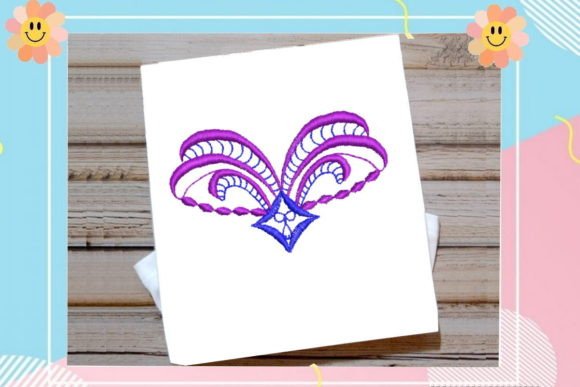
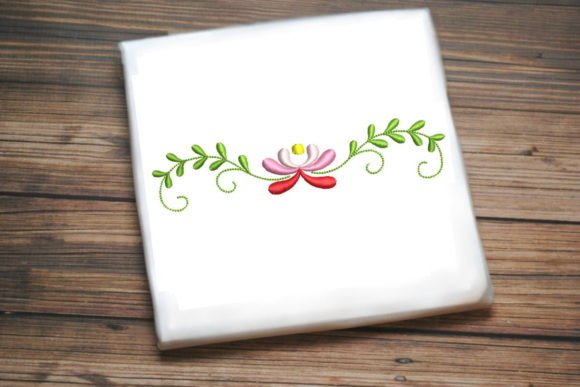
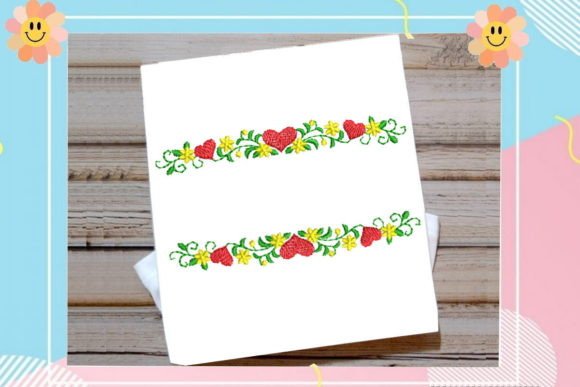
Even before loading the embroidery file, I could tell Pretty Applique understands the assignment. As a border design, it naturally lends itself to framing and linear embellishment, but the styling here feels anything but rigid. The linework has a gentle, hand-drawn rhythm that reads as playful yet clean. I’d place it squarely in that sweet spot between feminine charm and contemporary minimalism. It’s not overly rustic, not overly ornate—but it has enough decorative presence to elevate a plain sweatshirt into something special.
For a boutique brand, that’s golden. You want a design that can adapt to multiple colorways and fabric types without losing its identity. Pretty Applique has that chameleon quality. On a soft pastel pink hoodie, the organic shapes feel dreamy and romantic. On a charcoal or forest green crewneck, the same design becomes unexpectedly bold and graphic. That range makes it a smart investment for a limited collection where you want to offer variety without digitizing a dozen separate motifs.
Chest Embroidery Magic
The most obvious starting point is the left chest placement on a crewneck sweatshirt. I tested a scaled-down version of the border visually, and the details held up beautifully. Even at a reduced size, the open areas and thoughtfully spaced stitches let the fabric breathe. When you’re working with a sweatshirt embroidery project, you need to avoid dense fills that turn the fabric into a stiff patch. Pretty Applique uses an airy stitch structure that keeps the garment soft and comfortable, which is essential for everyday wear. I’d pair it with a tonal thread on a heather oat sweatshirt for a subtle tonal look, or go high-contrast with a creamy white thread on a deep navy background for a clean, minimalist boutique feel.
Sleeve Accents and Back Designs
One of the most exciting applications I see for this border design is on the sleeve. A vertical or gently curved placement along the outer arm of an oversized hoodie adds a designer touch that feels incredibly intentional. It’s the kind of detail that makes a customer stop mid-scroll and think, “I’ve never seen anything like that.” The linear nature of Pretty Applique makes it a natural for following the seamline or creating a cascading effect down the back of a hoodie. For a back design, I’d position it near the yoke or let it arc across the shoulders—it brings a soft, architectural element without overwhelming the silhouette.
Lifestyle Photography and Mockup Appeal
If you’re an Etsy seller or running a small shop, you know the importance of a strong mockup. Pretty Applique photographs beautifully. Its delicate linework catches the light and shows up clearly even in flatlays and styled lifestyle shots. I’d recommend using a printable mockup first to test placement on different sweatshirt colors before committing to a stitch-out. The design’s border structure frames the fabric in a way that draws the eye, making it a perfect focal point for product photography. A well-styled image of a model wearing an embroidered hoodie with this design instantly communicates quality and care.
Practical Design Considerations for Commercial Embroidery
Now, let’s talk about the technical side. I’ve learned the hard way that a stunning design on screen doesn’t always translate to a flawless stitch-out. Here’s how Pretty Applique holds up under real-world scrutiny.
Thread Color Contrast and Fabric Texture
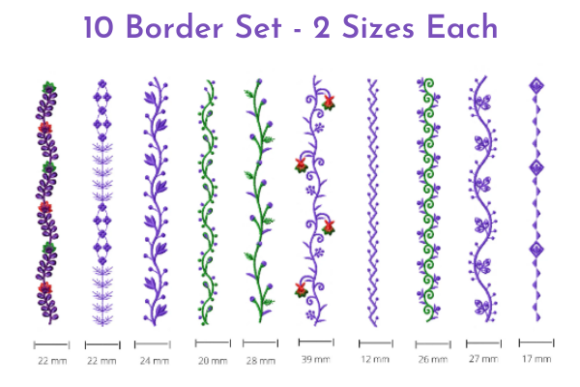
Because this is a border design, the stitch placement is inherently linear, which means you need to be intentional about thread color contrast. On fleece or a loopback french terry, highly contrasting thread can look choppy if the stitch density isn’t optimized. I’d recommend testing the digital embroidery file on a few different fabric weights before production. For a soft, luxurious look, stick to muted or tonal threads on slubby knits. For a more graphic, streetwear-inspired vibe, use a brighter thread on a smoother, tightly knit sweatshirt. The design holds detail well, but the fabric texture is your biggest variable.
Stitch Density and Small-Size Readability
I tested a simulated reduction of the design to about three inches wide, and the core elements remained readable. The open spacing and negative space within the border prevent the small details from closing up. That’s a major win for a custom apparel brand that wants to offer mini embroideries on cuffs or collar points. For larger placements, the stitch density feels balanced—enough to give the design presence without causing puckering. I always remind my fellow designers to check the stitch count in your embroidery file before production, as extremely high counts on thick fabric can lead to needle breaks or wavy seams.
Stabilizer, Hoop Placement, and Fabric Thickness
When working with a border design like Pretty Applique, accurate hooping is critical. A slight tilt becomes very noticeable on a linear pattern. I’d use a medium-weight cutaway stabilizer on sweatshirt fabric, and for fleece-backed hoodies, a topper can help prevent the stitches from sinking into the pile. Because the design is a border, you’ll likely use a larger hoop to accommodate the full length, so double-check your hoop size against the design dimensions before starting. I always recommend purchasing a design that includes multiple file formats, so you’re not stuck if your machine doesn’t read a particular type.
Washing Durability and Long-Term Wear
Your customers are going to wear and wash these sweatshirts. A lot. I’ve seen too many cute designs degrade after a few cycles because the stitch underlay wasn’t right. Pretty Applique strikes me as a design that can endure if you use quality thread and a proper stabilizer. The open, non-dense fills mean less thread friction during washing, and the border-style layout avoids the heavy center mass that often leads to cracking. I’d still recommend a test wash on a sample garment before selling, but I’m optimistic about its longevity.
Elevating Your Brand: Value, Trust, and Visual Recognition
When I’m curating designs for a boutique line, I’m not just looking for something pretty—I’m looking for a design that will help build a recognizable brand identity. Pretty Applique has that quality. It’s distinctive enough that customers will start to associate it with your shop, especially if you use it consistently across seasonal collections. A signature border design can become a visual trademark, much like a certain stripe or motif.
For Etsy sellers and small shop owners, offering a sweatshirt with a thoughtfully applied handmade product detail like this can increase perceived value. It signals to the buyer that you care about the finishing touches. The soft, modern aesthetic of Pretty Applique also encourages customer engagement—people love to share photos of unique embroidered details, and that word-of-mouth marketing is invaluable for a growing brand. I’d pair this design with minimalist branding, a simple hangtag, and a story about the embroidery process to build buyer trust and emotional connection.
Before You Stitch: Important Checks for Your Embroidery File
As with any digital embroidery file, you need to verify the specifics before hitting that start button. The product description for Pretty Applique mentions it’s a high-quality embroidery design, but I always suggest confirming a few things:
- Embroidery file formats included: Make sure your machine can read the file type, whether it’s PES, DST, EXP, or another format.
- Hoop size requirements: Border designs can be wide; check the dimensions to ensure it fits your largest hoop.
- Stitch count and density: This impacts production time and fabric compatibility.
- Commercial use license: If you’re selling finished products, confirm the design is approved for commercial embroidery and resale.
- Color charts and thread recommendations: Some designs come with a suggested palette, which can be a helpful starting point for your boutique collection.
I always reach out to the designer or check the listing details if these aren’t immediately clear. It’s better to spend five minutes confirming than to waste a sweatshirt blank and an hour of stitching time.
Final Thoughts: A Smart Addition to Your Boutique Embroidery Library
After this deep dive, I’m genuinely excited about the possibilities Pretty Applique brings to a sweatshirt collection. It’s the kind of design that feels effortless but intentional—a rare combination in the embroidery world. The border category can sometimes feel limiting, but this design proves that a well-crafted linear motif can be as impactful as a full-back centerpiece. It’s sweet without being saccharine, modern without being cold, and versatile enough to span seasons and styles.
For small clothing brands, Etsy sellers, and anyone building a handmade apparel business, I’d recommend adding this machine embroidery design to your design assets. Test it on a neutral oversized hoodie, play with placement, and watch how it transforms a basic garment into a boutique-ready piece. When you’re curating your next collection, remember that the small details are often the ones that build a loyal customer base—and Pretty Applique is definitely a detail worth including.