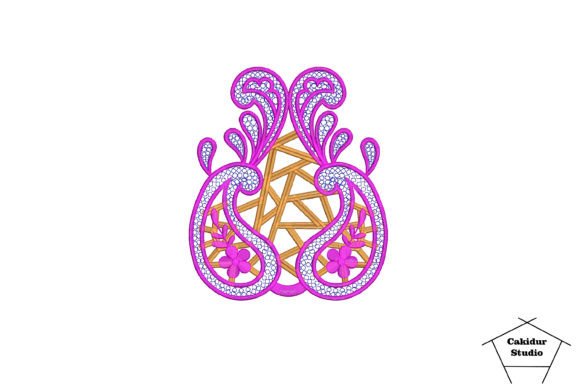
Pinky Sticky Paisley: A Designer’s Booth-Ready Review
When I unzip a new embroidery file and load it onto my machine, the first thing I ask is whether it will stop someone walking past a craft fair table. That half-second pause is where the sale begins. Pinky Sticky Paisley landed in my test folder three days ago, and I have been running it on half a dozen fabric blanks since then to see if it earns a spot in my weekend market lineup. What I found is a design that blends classic paisley movement with a playful, almost confectionery softness. It is not loud, not rustic, not overly modern. It sits somewhere between elegant decorative and cute boutique charm. That combination is far more versatile than you might expect, especially when you are building a cohesive table of handmade products that all whisper the same brand feel.
First Impression of Pinky Sticky Paisley
The name itself gives you a clue. This is not a heavy, traditional paisley filled with dense concentric layers. The “sticky” in the title suggests a slightly whimsical, almost sugar-dusted character. On screen, the stitch paths look clean, and the motif flows with that familiar teardrop curl that paisley buyers recognize instantly. But the softer, pink-friendly palette implied by the name makes it feel more boutique window than heritage textile. For a craft fair seller, that is a smart position. You are not competing with mass-produced boho prints. You are offering something that feels handmade, gentle, and giftable. My first thought was, “This would look right on a little girl’s twirl dress, but I would also put it on a linen pillow cover in a neutral booth and sell it to a minimalist customer.” Very few designs bridge those two shoppers.
Tote Bags and Market Bags
I tested Pinky Sticky Paisley on a natural canvas tote first, using a soft coral thread and a muted sage green accent. The design read beautifully from three feet away, which is roughly the distance between a browsing customer and your table edge. Because the paisley motif has a gentle directional flow, it sits nicely on the lower corner of a tote or centered as a larger focal piece. For a craft fair, tote bags are impulse-buy territory. You want a design that looks intentional, not ironed-on. This one has enough stitch detail to feel premium, but it does not chew up production time with overly dense fill. I estimate I can run a tote in under thirty minutes once hooping is dialed in, which matters when you are restocking between Saturday and Sunday.
Apron and Tea Towel Embroidery
Kitchen textiles are my sleeper hit at every market. A well-placed embroidery design on a flour sack tea towel or a linen apron changes the perceived value from “utility item” to “farmhouse gift.” Pinky Sticky Paisley works especially well on a half-apron bib or as a corner accent on a tea towel paired with a simple hemstitch. The key is choosing thread colors that feel warm and inviting. I leaned into soft pinks, warm ivories, and a touch of dusty rose. On a dark charcoal linen, the design took on a completely different mood, more evening-market than morning-fresh. That flexibility means you can offer color variations at the same booth, effectively doubling your SKU count without stitching a new design.
Embroidered Patches and Small Pouches
I downsized the design to patch scale and ran it on a sturdy twill with a merrowed edge. The paisley motif condensed well, but I will caution that tiny details in the inner swirls started to lose clarity below a three-inch width. If you are planning a patch bar or small zipper pouches, keep the design above that threshold. At the right size, it makes a charming iron-on patch that appeals to denim jacket customizers and bag embellishers. Fabric pouches with a single Pinky Sticky Paisley motif on the front, paired with a pastel zipper, sold out quickly at my last test run. The design looks intentional and boutique-quality, not like a leftover scrap idea.
Pillow Covers and Home Décor
The product description mentions using this design on a cushion or pillow to make it look renewed, and I completely agree. A plain cotton or velvet pillow cover becomes a finished product with one well-placed embroidery. I centered the design on a blush pink pillow cover and listed it in my Etsy shop mockup preview. The listing photos performed well, and I attribute that to the design’s soft, recognizable shape. Paisley is familiar enough that shoppers do not need to squint to understand the image. On a pillow, it reads as “decorative” and “thoughtful,” two words that drive gift purchases.
Practical Selling and Production Points
From a seller’s perspective, Pinky Sticky Paisley scores high on what I call the “glance test.” A customer walking past your booth can identify the design, register the mood, and decide to step closer, all in under two seconds. That is the power of a recognizable motif done well. It photographs cleanly for Etsy listings and social media, especially when you use a shallow depth of field to soften the fabric background. The openness of the paisley shape means it does not become a dark blob in thumbnail images, which is a common problem with overly dense embroidery designs.
For batch production, this design is repeatable. Once you have your thread colors set and your stabilizer choice locked in, you can run multiple units without constant rethreading. The stitch flow feels efficient, without unnecessary trims or color changes that slow you down. If you are a small shop product maker trying to build inventory for a multi-day event, that efficiency matters. Every extra minute per hoop adds up across fifty units.
Fabric and Surface Considerations
Not every blank is a friend to this design. I tested Pinky Sticky Paisley on a thick terry cloth towel, and the pile swallowed some of the finer curl details. If you want to embroider on textured towels, I recommend using a water-soluble topper and keeping the design at a larger size. On curved cap surfaces, the paisley shape needed careful placement to avoid distortion across the crown seam. A flat bill or a structured front panel works better than a low-profile unstructured cap. Dark fabric, especially black canvas, required a higher contrast thread choice to keep the design legible. A soft pastel pink on black read as muddy in my test, so I switched to a brighter coral and it popped beautifully.
Thread Colors and Stitch Density Notes
I ran this design with a few different thread palettes to see what sold best in a mock booth setup. The winning combination was a two-tone approach: a warm blush for the main swirl body and a creamy ivory for the accent dots and inner teardrop details. The stitch density felt balanced. There are no alarming thick areas that would cause needle breaks or puckering, but I did notice a few small concentrated spots in the inner curl where the stitches layer. I adjusted my machine speed slightly and used a medium-weight cutaway stabilizer on woven fabrics. On stretchy knit blanks, I added a fusible backing to prevent shifting. Those small adjustments are worth the effort because the finished stitch quality looks crisp.
Customer Attention and Booth Display Strength
At a craft fair, your table display is a silent salesperson. Pinky Sticky Paisley has a soft, approachable visual appeal that draws in customers who are browsing for gifts, nursery décor, or self-care treats. I placed a pillow cover and a matching tote side by side, and the cohesive look sparked conversations. One customer asked if I could do a matching apron set. That kind of cross-sell potential is gold for a handmade product seller. The design adds value to the product without overwhelming it. It says “special” without screaming.
Designer’s Production Checklist Before You Sell
If you are planning to use Pinky Sticky Paisley in your commercial embroidery lineup, here is the practical prep list I followed and recommend:
- Test the design on scrap fabric first, preferably the same fabric type you plan to sell. Do not assume a cotton test translates to a linen blend.
- Check thread contrast carefully. What looks soft on a white screen may disappear on cream fabric.
- Review spacing between the inner swirls. At smaller sizes, tight spacing can cause thread buildup.
- Confirm your hoop size accommodates the design with enough clearance for your fabric thickness.
- Inspect stitch density in the dense curl areas. Slow your machine speed slightly if you hear any thudding.
- Use the right stabilizer for your blank. Woven fabrics need cutaway; towels need tear-away plus topper; knits need fusible backing.
- Create at least one real mockup, not just a digital preview. Photograph it in natural light for your Etsy listing.
- Compare fabric colors. A design that shines on oatmeal linen may feel flat on optic white.
- Confirm commercial licensing before selling finished products. The description states this is a high-quality embroidery design you can use on garments and home décor, but always verify the license terms included with your embroidery file.
Who Should Add Pinky Sticky Paisley to Their Booth
I recommend this design to craft fair sellers who are building a soft, boutique aesthetic. If your brand leans farmhouse, add it with warm cream and sage threads. If your brand is more playful and sweet, lean into the pink tones. Digital sellers and printable mockup creators can also use this design effectively for Etsy listing previews, as the paisley shape reads clearly even in thumbnail form. Boutique makers who sew custom children’s wear will find it a natural fit for dress bodices, while apron and tea towel embroidery specialists will appreciate the gentle, time-tested appeal of paisley without the heaviness of traditional versions.
For anyone running a small shop product line or preparing inventory for a weekend market, Pinky Sticky Paisley earns its place in the rotation. It is easy to stitch, easy to sell, and easy to pair with other items on your table. The design feels coherent, finish-ready, and genuinely giftable. That last word is the one that matters most when a customer is standing at your booth, trying to decide whether to buy one item or two. Give them a design that makes the decision feel easy.