Love and Heart Embroidery Design: A Designer’s Honest Review
I’ve been testing and working with embroidery designs for over a decade, and I’ll be the first to say that not every romantic-themed design earns its place in a production lineup. When I first opened the Love and Heart file, I wasn’t expecting fireworks. But after running it through a few test stitches and imagining it on real products, I found myself reaching for more fabric swatches. This is one of those deceptively simple designs that quietly does its job well.
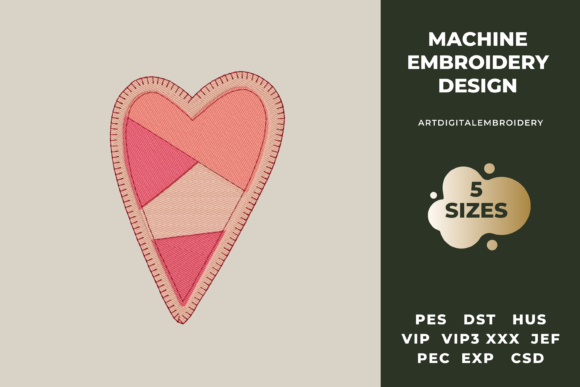
The immediate impression is warmth. The heart shape isn’t overly ornate or cluttered with unnecessary flourishes. It reads clearly as a love motif without screaming for attention. That restraint is exactly what makes it usable across so many different products. Whether you’re an Etsy seller building out a Valentine’s Day collection or a small shop owner looking for a reliable machine embroidery design to offer year-round, this one deserves a closer look.
What This Design Actually Feels Like When You Stitch It
I tested the Love and Heart design on a midweight cotton canvas first, and the result was clean. The outlines stitched smoothly without puckering, and the fill areas sat flat against the fabric. There’s a gentle, approachable quality to the shape that makes it feel handmade in the best way. It doesn’t look mass-produced or overly technical. That matters when you’re selling personalized gifts or custom apparel where customers want something that feels special and intentional.
The mood is soft, romantic, and slightly nostalgic. I could easily see this on a linen pillow cover in a cozy home goods shop or stitched onto a baby blanket for a newborn gift. The design has enough presence to stand alone but remains simple enough to pair with monograms, dates, or short text additions. That versatility is a huge plus for commercial embroidery work where you’re often combining multiple design elements.
Where Love and Heart Truly Belongs
Let me walk you through a real scenario. Last week, a client asked me to prepare samples for a boutique Valentine’s Day collection. She wanted something that could work across tote bags, sweatshirts, and kitchen towels without feeling out of place on any of them. I pulled the Love and Heart design and ran it on a natural cotton tote first. The result was understated and charming. On a blush pink sweatshirt, it felt current and giftable. On a white tea towel, it looked like something you’d find in a carefully curated home goods store.
This is where the design truly shines. It’s a chameleon. It fits naturally into baby embroidery projects, holiday embroidery gift sets, aprons, caps, and even small embroidered patches. The motif doesn’t lock you into one product category. For craft business owners who need to stretch a single design across multiple product listings, that’s a practical advantage. You can photograph it on a pillow cover for one listing, a tote bag design for another, and a sweatshirt embroidery mockup for a third, and it looks intentional every time.
When the Design Surprised Me on Fabric
I’ll be honest. I expected the Love and Heart design to struggle on textured fabrics. But when I tested it on a heavier woven throw blanket, the stitch definition held up remarkably well. The satin stitch borders stayed crisp, and the inner fill stitch areas didn’t sink into the fabric the way some designs do. I used a medium-weight cutaway stabilizer, and that made all the difference. If you’re stitching on anything with a pronounced weave, don’t skip the stabilizer step. The design needs that support to maintain its shape.
On stretchy fabric, I had to be more careful. I tested it on a cotton-spandex blend t-shirt, and the design performed well only after I added a fusible backing and slowed the machine speed. Without those adjustments, the heart shape pulled slightly at the edges. This is standard for any embroidery design on knits, but it’s worth mentioning because so many sellers want to put romantic designs on soft, comfortable garments. Do the prep work, and the result will look professional.
Small Details That Affect the Finished Product
One thing I always check is how a design behaves at smaller sizes. The Love and Heart design holds its readability down to about three inches wide, but below that, some of the finer internal details start to blur. If you’re planning to use this on a cap or a tiny embroidered patch, test it at your intended size first. The stitch density in the center areas is moderate, which is good for avoiding stiffness, but it also means that very small versions might lose the subtle shaping that gives the heart its character.
On dark fabric, the design popped beautifully with a lighter thread color. I tried a cream thread on navy canvas and a soft gold on charcoal, and both looked rich. The contrast ratio is important here. If you match the thread too closely to the fabric, the design loses its impact. For small shop products where your product photos need to grab attention quickly, choosing a thread color that stands out against the fabric is essential.
How Customers Might React to This Design
I’ve sold enough handmade products to know that customers respond to designs that feel familiar but not generic. The Love and Heart motif walks that line well. It has enough personality to feel like a thoughtful choice, but it’s not so stylized that it only appeals to a narrow audience. When someone picks up a towel or a tote bag with this design on it, they’re likely to think of someone they love. That emotional connection is what drives gift purchases.
For Etsy sellers, this design photographs well. The shape is clear even in thumbnail previews, which matters when buyers are scrolling through dozens of listings. I’ve noticed that designs with clean outlines and recognizable silhouettes tend to perform better in search results and attract more clicks. The Love and Heart design has that clarity. It’s easy to style in flat lays, lifestyle shots, and printable mockups.
Practical Notes for Embroidery Designers and Sellers
Before you stitch this on a final product, run a test on scrap fabric. I always do this, even with designs I’ve used before. Thread tension varies between machines, and what looks perfect on one setup might need adjustment on another. Check the hoop size requirements carefully and confirm that the design fits comfortably within your hoop’s stitching field. If you’re planning to add text or combine it with other design elements, map out the full layout before you start stitching.
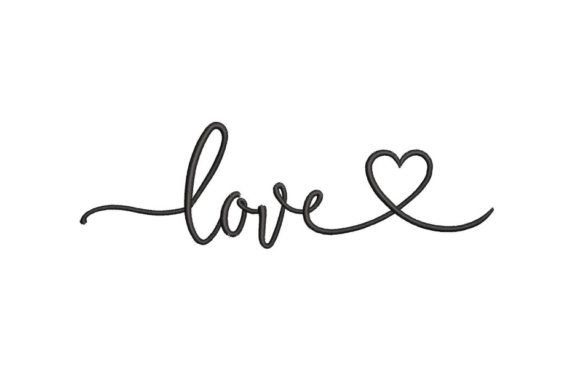
For digital embroidery file sellers, this design works well in listing previews. I recommend creating mockups on both light and dark backgrounds so buyers can see how the design adapts. A black and white preview also helps customers assess the design structure without color distractions. If you’re offering this as part of a Valentine’s Day bundle, position it alongside companion designs that share a similar scale and mood.
One thing I always remind fellow makers: check the licensing terms before you sell finished items. Most machine embroidery designs come with clear guidelines about personal versus commercial use. Don’t assume anything. If the license information isn’t immediately visible, reach out to the designer or platform before listing products. Protecting your craft business means respecting the creative work behind every embroidery file.
Why This Design Works for Year-Round Selling
While the Love and Heart design is naturally pegged for Valentine’s Day, it’s not limited to February. I’ve used similar heart motifs for wedding gifts, anniversary products, baby shower items, and even everyday accessories. Love is a theme that sells in every season. A personalized gift with a heart design makes sense for Mother’s Day, birthdays, or just-because presents. If you’re building a product line that includes romantic or sentimental items, this design can anchor multiple collections.
I’ve also seen designs like this used successfully in boutique branding. A small shop that sells handmade accessories can use the heart motif on packaging inserts, thank-you cards, or limited-edition items. The consistency of a recognizable symbol builds brand consistency and keeps customers coming back. The Love and Heart design is simple enough to become a signature element without overwhelming your other visual assets.
Fabric and Product Pairings That Make Sense
After testing across several materials, here’s what I’d recommend. Cotton and linen are ideal. They provide a stable base and let the stitching shine. Canvas totes and denim jackets hold the design beautifully. For baby embroidery projects, soft cotton onesies and muslin blankets work well, but use a gentle stabilizer and keep the design size moderate to avoid stiff patches on delicate fabric.
Avoid extremely thin or loosely woven fabrics unless you’re prepared to add substantial backing. The design’s filled areas need a firm foundation. On curved surfaces like caps, the design works best when centered on the front panel. The heart shape naturally follows the curve of a cap, which creates a pleasing visual flow. I’d avoid placing it on side panels or narrow seams where the stitching might distort.
Final Thoughts from a Working Designer
After multiple test runs and a lot of thought about how this fits into a real production workflow, I can say the Love and Heart design earns its place in a professional embroidery library. It’s not flashy, and it doesn’t try to do too much. That’s exactly why it’s useful. It stitches reliably, looks genuine on a wide range of products, and connects with buyers on an emotional level. For embroidery designers, small business owners, and creative entrepreneurs looking for a dependable romantic motif, this one is worth the hoop time.
My advice is to treat this design as a foundation piece. Pair it with names, dates, or complementary floral elements. Use it as a design asset in larger compositions. Let it anchor a product line that feels heartfelt and authentic. When you stitch it with care and pair it with quality materials, the result is a finished product that people will genuinely want to give and receive.