Letter O and Flower: A Designer’s Real-Use Review
The Mood This Letter O and Flower Design Brings to a Project
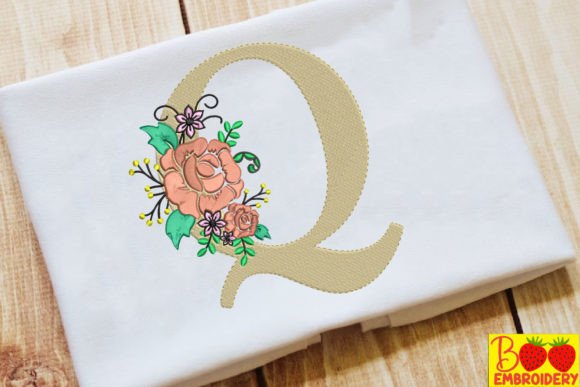
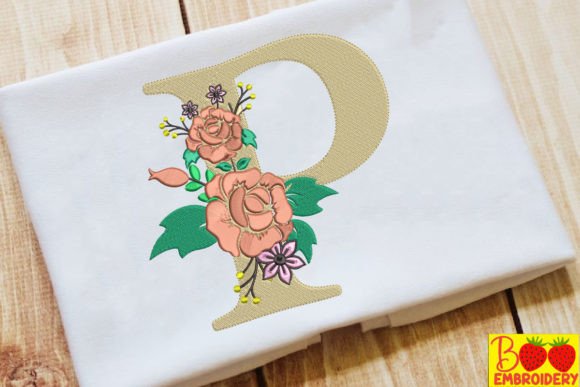
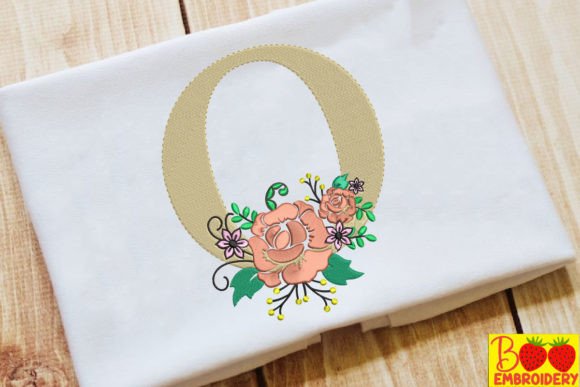
When I first opened the Letter O and Flower embroidery file, I immediately noticed how the floral elements wrap around the letterform with a soft, organic flow. The design doesn’t feel stiff or overly symmetrical. It reads like a graceful mix of botanical charm and thoughtful typography. The flower petals and leaves seem to cradle the letter O, creating a circular, balanced focal point. That kind of visual harmony is exactly what I look for in a machine embroidery design meant for personalization — it needs to feel complete, not like a plain letter slapped next to a generic flower clipart.
This design leans into a romantic, airy feel. It would sit comfortably in the Wedding Monogram category, but it’s not limited to wedding projects. The blend of delicate linework and what appears to be a mix of fill stitch and satin stitch areas gives it enough presence to hold its own on a variety of surfaces. I can already picture it on a soft linen pillow cover or a lightweight cotton apron. The letter O itself is open and readable, so the monogram message stays clear even when the floral accents become the star of the show.
A Real Project: Embroidering a Wedding Gift Tote
Let me walk you through a real scenario I keep in mind when evaluating a new embroidery design like this. I recently had a client order a set of personalized tote bags for a bridal party. The bride’s first initial was O, and the request was for something elegant but not overly formal. The tote bags were natural canvas, medium weight, and the plan was to stitch the design in a soft sage green thread on the front pocket. That’s where Letter O and Flower came into play.
Before loading the embroidery file into my machine, I spent time thinking through how the design would actually behave on that fabric. Canvas has a visible texture, so I needed to be sure the stitch density was high enough to cover the weave without gaps, but not so dense that it would pucker the fabric. I also considered the size. Since the description didn’t specify exact dimensions, I always test the file in my software first to check the true hoop size and scale. A design like this — with a letter and surrounding floral details — can easily become too large for a tote bag pocket or too small for a sweatshirt back. Scaling proportionally is key, and the file’s internal structure determines how far you can push it.
I ran a test stitch on a scrap piece of canvas with a medium-weight cutaway stabilizer. The result was encouraging. The floral outlines stayed crisp, and the letter O had a nice, polished finish. The flower petals didn’t clump together, which told me the digitizer had paid attention to stitch density and pathing. The design felt light enough to wear comfortably, yet detailed enough to catch the eye. That’s the sweet spot for a handmade product that will be used and washed regularly.
Where I’d Immediately Use This Design
Letter O and Flower has a versatility that makes it a strong candidate for multiple product categories. Here’s where I see it performing best in real craft business or personal projects:
- Tote bags and canvas pouches — The open, floral silhouette works beautifully on natural fabrics and gives a boutique feel to a tote bag design.
- Sweatshirt and t-shirt embroidery — On the left chest placement, this design creates a subtle, handcrafted accent. The flower detailing softens the look, making it ideal for sweatshirt embroidery without being too bold.
- Aprons and kitchen towels — The description mentions these, and I agree. A kitchen towel or linen apron with a single-letter monogram accented by flowers feels like a personalized gift that sells well at craft fairs or on Etsy.
- Baby items — The gentle shape makes it a lovely choice for baby embroidery on blankets, bibs, or nursery decor. Soft pastel thread colors enhance the innocent feel.
- Pillow covers and home décor — A decorative pillow with this design in a tonal thread color adds a custom, high-end look to a living space.
- Wedding and bridal gifts — The Wedding Monogram category is a natural fit. Stitch it on a ring bearer pillow, a bridal robe, or a handkerchief for a memorable keepsake.
- Embroidered patches — If you finish the edges with a merrow border or an appliqué method, this design can become a standalone embroidered patch for jackets, caps, or bags.
What I appreciate most is that the design doesn’t scream “wedding only.” It can be adapted for holiday embroidery by changing thread colors to deep burgundy and gold, or for spring markets with fresh greens and blush pinks. That flexibility matters when you’re building a craft business and need designs that earn their place in your library all year.
What to Watch Out For on Delicate or Dark Fabrics
Even a well-digitized machine embroidery design needs careful handling in certain situations. The floral elements of Letter O and Flower look delicate, which means tiny details might become a challenge on highly textured or stretchy fabric. If you’re embroidering on a thin jersey t-shirt, use a no-show mesh stabilizer and consider adding a topping to prevent the stitches from sinking into the fabric. The open center of the letter O is a design feature, but on a very dark fabric, light-colored thread may show through if the stitch density isn’t perfect. Always test on a swatch first.
My rule of thumb: if a design includes small petals or thin lines, I avoid using it on thick terry cloth or heavily napped fabrics unless I’m willing to increase the size by at least 10–15%. The fill stitch areas need enough room to breathe. Caps and curved surfaces introduce another layer of complexity. A design with a circular letter O naturally wants to stay round, but on a baseball cap, that curve can distort the shape. I’d recommend using a cap-specific hoop and precise placement, or simply saving this design for flat surfaces like bags, shirts, and towels.
Also, small hoop sizes can be a limiting factor. Before purchasing, verify the design’s dimensions and make sure your machine can accommodate the full stitch area without resequencing. If the file includes multiple format options, you may have more flexibility, but the embroidery design description doesn’t list specific formats, so always check the product details before buying.
How This Design Changes Customer Perception
When I add a thoughtful, well-digitized design like Letter O and Flower to a finished product, I notice a shift in how buyers interact with the item. A plain, store-bought tote becomes a handmade product with a story. The floral monogram signals intentionality — it’s not just a letter, it’s a curated design choice. That small detail can be the difference between a $15 item and a $35 item at a craft fair.
For an Etsy seller or small shop owner, presentation matters. The design’s soft, romantic feel translates beautifully into printable mockups for listing photos. Buyers can immediately see the potential for a personalized gift. The emotional connection is strong with floral monograms, and that directly impacts buyer engagement and trust. When a customer receives a product with crisp, high-quality stitching and a balanced design, they’re more likely to become a repeat buyer or leave a glowing review. That’s the kind of professionalism that builds a brand consistency over time.
Even from a purely visual standpoint, Letter O and Flower brings a level of giftability that generic fonts lack. It looks like something you’d pay extra for at a boutique. The curved letterform combined with botanical accents adds a timeless, slightly vintage appeal without feeling dated. That’s a rare quality in a digital embroidery file, and it’s one I always look for before committing a design to my production lineup.
Test Before You Trust: My Pre-Stitch Checklist
No matter how promising a design looks on screen, I never stitch it directly onto a customer’s final product without a thorough test. Here’s the practical checklist I run through with every new embroidery file, including Letter O and Flower:
- Open the file in software. Check the actual size, number of thread colors, and stitch sequence. Verify that the design fits within your intended hoop size.
- Stitch on scrap fabric. Use the same fabric type and stabilizer you’ll use for the final project. For canvas or cotton, I prefer a medium cutaway stabilizer. For thin knits, a mesh stabilizer and a water-soluble topping often save the day.
- Evaluate thread contrast. Test light thread on dark fabric and dark thread on light fabric. The floral details should remain distinct. If the running stitch outlines disappear, you may need a higher contrast thread or a slightly larger size.
- Check stitch density. Look for puckering, gaps, or overly dense areas that make the design stiff. The flower petals and letter O edges should feel smooth but not bulletproof.
- Test in black and white. Convert a mockup to grayscale to see if the design’s values hold up. This is especially important for printable mockups and listing photos where the design must be legible at a glance.
- Wash and dry a sample. If the product will be laundered, see how the stitches hold up. I’ve had otherwise beautiful designs unravel because the underlay wasn’t adequate. A quick wash test reveals a lot.
Additionally, I always confirm the commercial embroidery license before using a design on items I sell. The product description for Letter O and Flower doesn’t specify licensing terms, so I would reach out to the seller or check the listing details. Most designers provide clear guidance on whether you can use the file for finished product sales, and respecting those terms is essential for a sustainable craft business.
Final Thoughts for Crafters and Small Shops
After working through the design’s personality, testing it in a real project scenario, and considering its place in a product lineup, I see Letter O and Flower as a solid, versatile addition to any maker’s library. The floral letter O aesthetic isn’t a passing trend — it’s a style that customers consistently request for weddings, nursery decor, and everyday personalized items. The design’s description promises a gorgeous finish, and based on my test stitch on canvas, it delivers a clean, professional look when paired with the right materials and stabilizer.
I’d confidently recommend it for custom apparel, tote bag design, baby embroidery, and holiday embroidery projects. The delicate balance of the letter and flowers makes it a strong candidate for small shop product lines where uniqueness matters. Just remember to verify the hoop size, check the file formats included, and always test on your actual fabric before offering it to customers. A little prep work turns a promising machine embroidery design into a reliable design asset that can elevate your entire handmade collection.