Beautiful Apple: Sweet Modern Embroidery Design
When you’re preparing for a weekend craft fair, every design you choose has to earn its place on the table. As an embroidery designer who’s stitched thousands of products for handmade markets, I’m always looking for machine embroidery designs that combine visual punch with production practicality. Beautiful Apple immediately caught my attention. The description promises a sweet and modern look, and that’s exactly the kind of versatile, crowd‑pleasing aesthetic that keeps cash boxes busy. Over the next few minutes, I’ll walk through what I see in this design, how it would perform on the products I actually sell, and what you need to know before you load the embroidery file onto your machine and start stitching for a real booth.
First Impressions: Sweet, Modern, and Market‑Ready
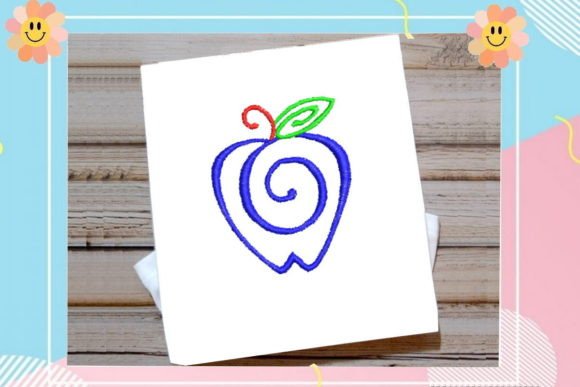
Right away, Beautiful Apple feels clean, friendly, and intentionally simple. It’s not a fussy, hyper‑realistic fruit – the word “modern” tells me there’s probably a stylized outline, maybe a gentle curve to the leaf, and a sense of balance that reads well at a glance. This isn’t a design that screams for attention; it’s the kind that makes a customer pause, smile, and pick up the item. At a craft fair, that quiet confidence matters. It works beautifully for a farmhouse or rustic kitchen theme, but it’s also fresh enough for a contemporary booth. The Food category connection is obvious – an apple is timeless, universally recognized, and loaded with cozy, homemade associations. You can build a whole storytelling display around it.
Which Products Make Beautiful Apple Shine?
I always test a design in my mind across the items I know sell well. Here’s where Beautiful Apple would slot into my handmade product lineup.
Tote Bags and Market Bags – Everyday Eye‑Catchers
A large canvas tote with a single, centered apple embroidery is a proven craft fair product. The design is bold enough to be a focal point, yet simple enough not to overpower the bag. Shoppers buy reusable bags on impulse, and a sweet apple motif makes the bag feel like a thoughtful gift, not just a utility item. For market bags with thinner fabric, I’d scale the design down slightly and use a light cutaway stabilizer to keep the stitches from distorting the fabric texture.
Kitchen Linens: Aprons, Tea Towels, and More
This is the heart of the Food category. A tea towel embroidery with a small apple in the corner or a set of two with apples in complementary thread colors is a classic seller. The design’s sweet vibe turns a plain flour‑sack towel into a boutique piece. For apron embroidery, I’d place the apple on the bib or pocket – it’s a natural focal point that makes the apron look intentionally designed. Oven mitts, placemats, and even napkins can all carry the same apple motif, creating a cohesive kitchen collection. Customers love being able to buy multiple pieces that match.
Embroidered Patches and Small Pouches
An embroidered patch version of the apple would be a hit with younger crowds and anyone who loves customizing jackets or backpacks. The key here is size: the design needs to remain crisp at 2.5 to 3 inches. If the file includes tiny details like a stem or a seed, they might close up under dense stitching, so I’d stitch a test on twill before committing to a batch. Small fabric pouches with a dainty apple on the front are perfect for gift cards, jewelry, or as a standalone handmade product. They’re quick to produce and carry a high perceived value.
Caps and Apparel – Wearing the Apple
On a cap, the apple works best on the front panel. I’d use a cap hoop and digitizing that accounts for the curved surface. Avoid designs with extremely fine details or thin lettering – if the apple is paired with text, confirm it’s large enough to read. For clothing, a small apple on a shirt pocket, cuff, or collar adds a subtle, premium touch. Thick fabric like denim handles heavier stitch density well, but on lightweight knits, I’d always use a stabilizer that prevents puckering.
Pillow Covers and Home Decor Accents
A throw pillow cover with a large, modern apple motif is a statement piece. I can already see it in a farmhouse booth, maybe on a linen‑blend fabric with a muted red thread. It’s a giftable, high‑margin item that photographs beautifully for online listings. A smaller apple repeated in a pattern or paired with a simple border would also work on a table runner or a wall hanging.
Selling Points at a Craft Fair Booth
At a crowded market, Beautiful Apple has a clear advantage: it’s instantly understandable. A customer doesn’t need to study the design to get it. That immediate recognition triggers an emotional connection – memories of baking, autumn, or a favorite teacher. The apple’s friendly shape makes the booth feel inviting. I’d use a consistent thread palette across all my samples – maybe a soft red, a muted sage green, and a warm cream – to tie the display together. The design’s simplicity also photographs well for social media and Etsy seller listings. A crisp, well‑lit photo of the apple on a tea towel or a tote bag looks polished and professional. I’d also create a printable mockup to show the design on different backgrounds for online product images, but never skip the real product shot – that’s what convinces buyers.
Production Considerations: What Works and What to Watch For
Practicality is everything when you’re producing dozens of items for a show. Here’s how I’d approach Beautiful Apple from a production standpoint.
Stitch Density and Detail Clarity
The description says “high‑quality,” so I expect solid digitizing. Still, I always check stitch density. Too dense and the fabric puckers; too light and the base fabric shows through. If the apple includes tiny elements like a small leaf vein or a subtle highlight, I’d test the design at 2 inches to see if those details hold up. For very small applications, I might simplify the design or use a slightly thicker thread. On textured towels, the stitches can sink into the loops, so a water‑soluble topper is non‑negotiable for crisp edges.
Fabric and Thread Choices
The apple’s magic lies in contrast. A bright red thread on unbleached cotton is classic and bold. On dark fabric, a vibrant thread pops beautifully, but I’d avoid a design that relies on subtle shading – it can get lost. For a softer, modern look, I love using a muted coral or a deep burgundy. Always test thread colors against the actual fabric you’ll sell. A cream linen will warm up the red, while a pure white background might make it feel cooler. I’d stitch a few samples with different thread combos and keep the winners in my booth as color reference cards.
Size Flexibility
Not every digital embroidery file comes in multiple sizes. Before purchasing, I’d confirm whether Beautiful Apple includes options for different hoop sizes – a 4x4 version for small accents and a 5x7 or larger for tote bags. If the file is only one size, I’ll plan my product lineup around that hoop. Stitch‑based files don’t scale well without professional editing, so I never assume I can just resize them.
Batch Production and Repeatability
During a craft fair crunch, I need designs that stitch efficiently. A simple apple with a few thread colors and minimal trims allows me to run my machine almost continuously. If the design has lots of color changes or small, stop‑and‑start details, it slows me down. I’d look for a clean, well‑optimized path that keeps the needle moving. The less time I spend babysitting the machine, the more finished products I can stack.
Photographing Beautiful Apple for Online and Booth Sales
For Etsy seller success, product photos can make or break a listing. The apple’s clean lines are a gift for photography. I’d shoot it in natural light, maybe on a cutting board with a few fresh apples nearby for a lifestyle shot. A close‑up of the stitching texture shows the handmade quality. I’d also include a flat lay of a tea towel, a tote bag, and a pillow cover together to suggest a coordinated set. A printable mockup can help create a consistent look for your shop, but nothing beats a real, stitched example. For the booth, I’d display a large, framed hoop with the embroidery design as a piece of art – it stops people in their tracks.
Customer Engagement and Perceived Value
An embroidered apple transforms a basic item into a premium product. Customers see the texture and know it’s not a heat‑transfer decal. The sweet and modern feel speaks to a wide age range – a young couple buying a housewarming gift, a grandmother looking for a cute kitchen towel, a teacher searching for a thoughtful present. The universal appeal of fruit means fewer customers walk by without stopping. I’d even consider offering a small “apple bundle” – a tea towel, a matching apron, and a little pouch – at a special show price. Bundles increase the average sale and make the display feel abundant.
Brand Consistency and Booth Display
Using Beautiful Apple across several product types instantly creates a brand story. When a customer sees the same apple on a tote bag, a pillow, and a patch, they recognize your style. That consistency builds trust and makes your booth memorable. I’d keep the display cohesive with wooden crates, a few fresh apples, and maybe a little chalkboard sign that says “Hand‑Stitched with Love.” The Food category gives you endless seasonal tie‑ins – think autumn harvest markets, teacher appreciation events, or even a farm‑to‑table fair.
Practical Designer Notes Before You Stitch
Every embroidery designer knows that a digital file is only half the picture. Here’s my checklist before I’d run Beautiful Apple for my booth inventory:
- Test on scrap fabric – use the same material and color you plan to sell. Look for gaps, puckering, or thread breaks.
- Check thread contrast – a bright red on a dark background might need a slightly different shade than on a light one. Test both.
- Review spacing – if the apple has a leaf or stem, make sure the stitches don’t overlap in a way that causes needle deflection.
- Confirm hoop size – the design must fit your machine’s hoop. If it’s too large, you can’t stitch it without re‑digitizing.
- Inspect stitch density – look for overly dense areas that could make the fabric stiff or cause thread breaks. A good design balances coverage with flexibility.
- Use the right stabilizer – cutaway for stretchy fabrics, tear‑away for wovens, and a topper for towels to keep the stitches on the surface.
- Create at least one real mockup – stitch the design on the exact product you’ll sell. It’s the only way to know how it truly looks and feels.
- Compare fabric colors – the same apple design can look dramatically different on natural linen, bright white, or heather grey. Pick a few that work best.
- Confirm commercial licensing – if you plan to sell finished products, make sure the embroidery file allows commercial use. Many digital files are for personal use only, so check the designer’s terms before you list anything.
- Keep a stitched sample at your booth – not just a photo. Customers want to touch the embroidery and see the quality in person.
Final Thoughts on Beautiful Apple for Craft Fair Season
After evaluating the design from every angle – appearance, product fit, production flow, and customer appeal – I’d confidently add Beautiful Apple to my craft fair lineup. It’s a design that does exactly what it promises: makes any fabric look sweet and modern. It’s versatile enough to shine on a canvas tote, a kitchen towel, a patch, or a pillow cover. The simple, bold silhouette catches the eye, photographs beautifully, and stitches up without a fuss. For handmade product sellers, small shop product owners, and Etsy seller creatives, this is the kind of machine embroidery design that works hard and sells well. With a little testing, the right stabilizer, and a thoughtful display, Beautiful Apple can become a signature piece in your booth – one that customers remember and come back for.